Gearbox after 300,000 km: is rebuilding worth it?
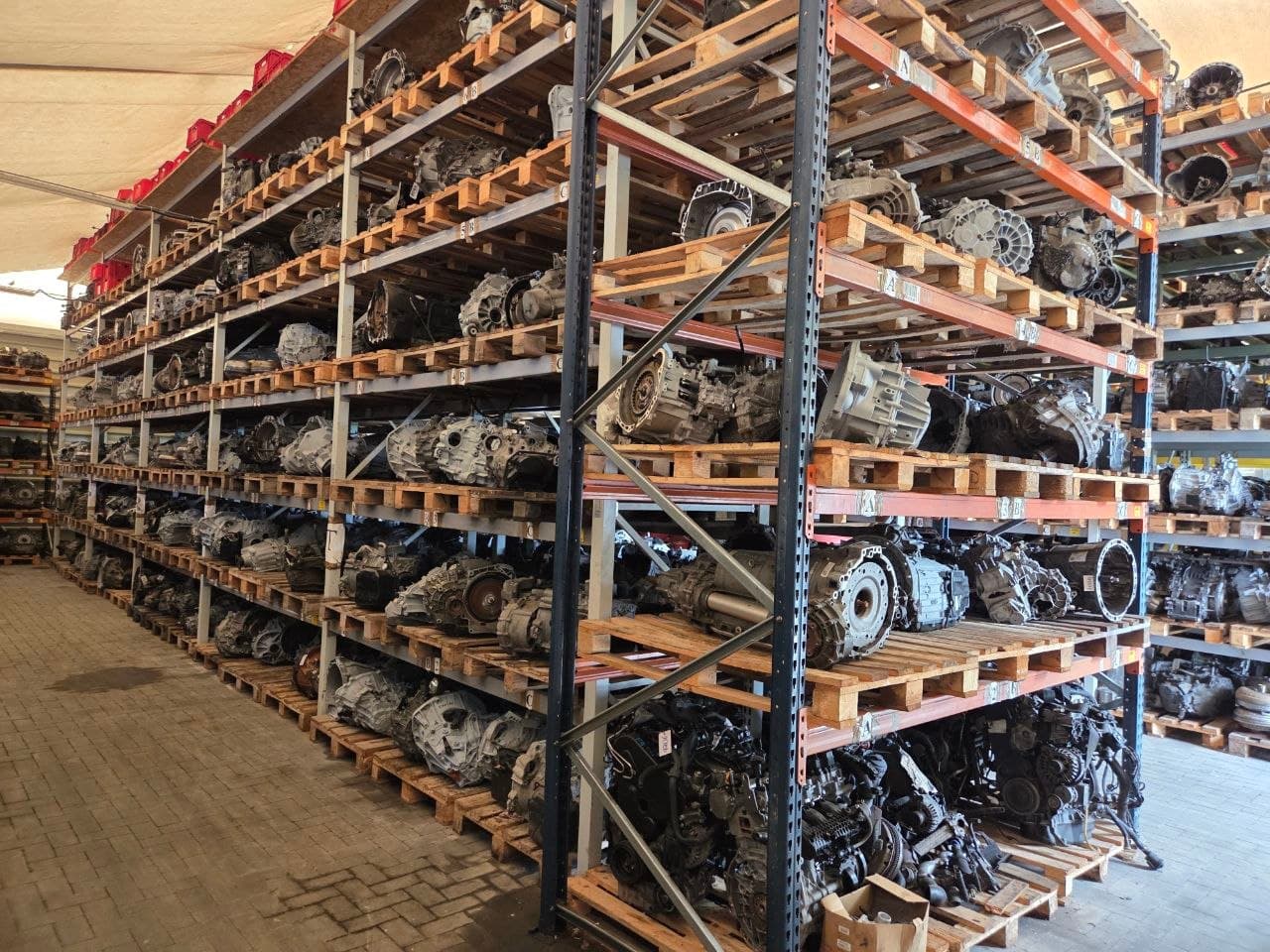
300,000 km is a substantial distance, but the odometer does not show which gearbox components are worn. Two units with similar mileage can be in very different condition. A rebuild decision should follow a diagnosis, not a number alone.
Grinding, noise and difficulty pulling away call for inspection. They do not prove that every fault lies inside the gearbox: the clutch, controls and related components can cause similar symptoms.
Find the cause first
Note when the symptom appears: cold or warm, in which gear, under acceleration or on overrun. A workshop should also check for leaks, inspect the oil and examine related parts. Only then can it assess the repair scope.
When a rebuild may make sense
If the housing and other major components are serviceable, dismantling, inspecting and replacing damaged parts may be sensible. The work depends on the actual condition of that unit. Not every gearbox needs the same parts, and not every repair is economical.
Compare the total cost and time
Ask for the work scope, parts and labour costs, lead time and warranty terms. Compare these with a compatible rebuilt unit, including removal, fitting, delivery and any return of the old unit. Before ordering a replacement, verify the VIN and gearbox code.
- do not order using the vehicle model alone
- find out which parts actually need replacing
- ask about post-assembly testing and written warranty terms
FAQ
Does 300,000 km mean the gearbox is finished?
No. Mileage is a clue, but symptoms, diagnosis and inspection of the components determine the repair options.
Does grinding always mean the gearbox must be replaced?
No. A workshop must confirm the cause; it may be in the gearbox or a related component.
What should I send if I need a replacement?
Send the 17-character VIN, gearbox code, vehicle details and symptoms so compatibility can be checked before an offer is made.
Check Fitment by VIN
We verify compatibility before shipping to avoid sending the wrong gearbox