Gearbox failure symptoms: when should you stop driving?
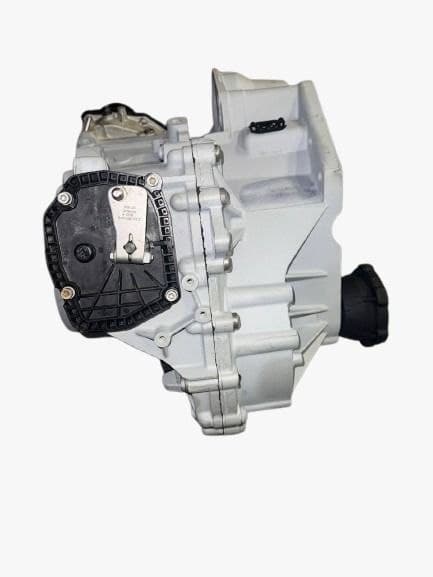
A symptom is not yet a diagnosis. Jerking may have a different cause from noise in one specific gear, and systems connected to the transmission can create similar behaviour. Describe exactly when the issue appears before ordering a replacement.
Some signs should not be ignored: increasing metallic noise, loss of drive, inability to engage a gear, a significant leak or an overheating warning. Continuing to drive may then increase the damage.
Symptoms that require inspection
In a manual transmission, watch for grinding, a gear jumping out, gear-dependent noise and difficult shifting. An automatic may hesitate after selecting D or R, shift harshly, flare in engine speed or enter limp mode. Each symptom can have several causes.
- noise or vibration in a particular gear or under load
- delayed, harsh or irregular shifts
- fluid leaks, an overheated smell or visible metal particles
- loss of drive, a gear disengaging or limp mode
- a transmission or temperature warning
Before the workshop visit
Note whether the issue occurs cold or warm, during acceleration or overrun, and in which gear. Do not clear fault codes before diagnosis; stored codes and live data can shorten the investigation.
If drive is lost, the leak is substantial, the noise is sudden or an overheating warning appears, stop and discuss vehicle recovery with a workshop. Do not add a random fluid: specification and level-setting procedure depend on the exact transmission.
Diagnose first, decide second
A sound assessment may include the clutch or torque converter, controls, mechatronics, cooling, driveshafts and fluid condition as well as the gearbox itself. Only then can you choose between an external repair, remanufacturing the existing unit or fitting a compatible replacement.
If you need a gearbox, send the VIN, code and symptom description so the conversation starts with verifiable details.
FAQ
Does jerking always mean gearbox damage?
No. Fluid, controls, clutch, mechatronics, mounts or another system may be involved. Diagnosis is required.
Can I drive with a transmission-fluid leak?
Not safely without checking the source and level. Stop driving if the loss is significant or operation becomes abnormal, and contact a workshop.
Is reading fault codes enough?
It is important, but it does not replace inspection, an operating test and measurements appropriate to that transmission.
Check Fitment by VIN
We verify compatibility before shipping to avoid sending the wrong gearbox